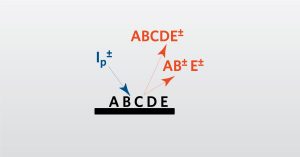
TOF-SIMS Webinar
In this webinar we introduce TOF-SIMS which is a surface analysis technique used to investigate the extreme surfaces of samples.
In this webinar we introduce TOF-SIMS which is a surface analysis technique used to investigate the extreme surfaces of samples.
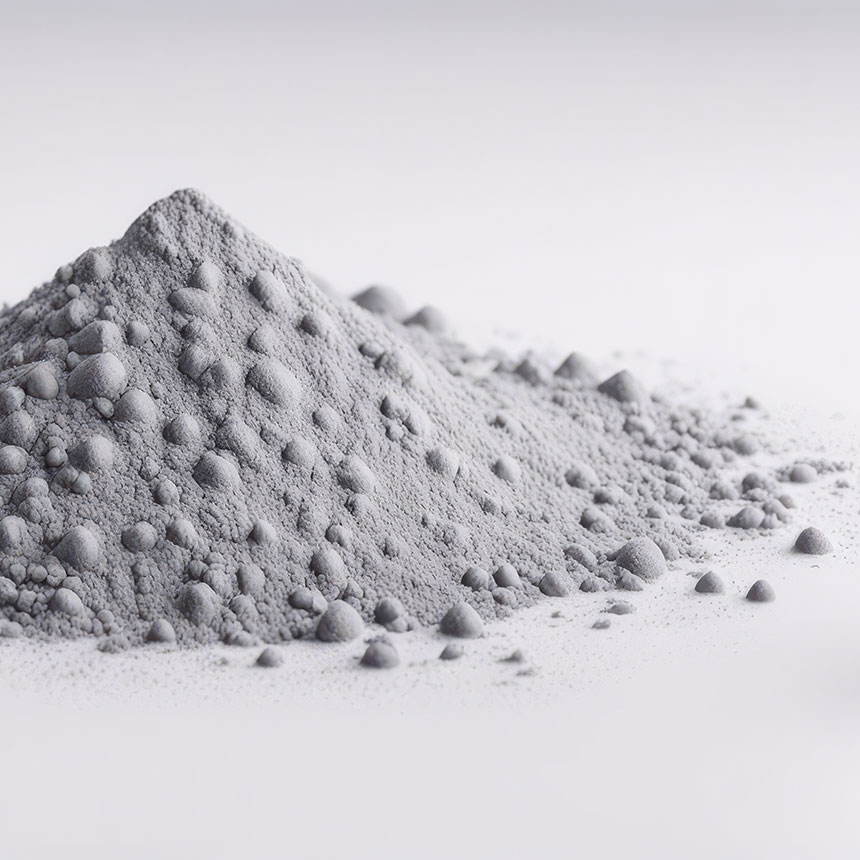
Highly complex chemistry materials such as geological materials, minerals and ceramics, a specialized sample preparation is used. For these types of materials, fusion sample preparation is used to increase precision and accuracy for data collection.
In this webinar we introduce EAG Laboratories advances in Materials and Surfaces Characterization of Medical Devices
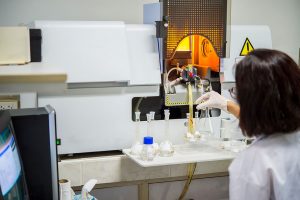
Flame Atomic Absorption Spectroscopy (FAAS) continues to play an important role in routine elemental analysis, even as laboratories have widely adopted Inductively Coupled Plasma-based instruments. FAAS might just be the right technique for you.
To enable certain features and improve your experience with us, this site stores cookies on your computer. Please click Continue to provide your authorization and permanently remove this message.
To find out more, please see our privacy policy.