Effects of Surface Roughness
The roughness of a surface and how it interacts with surrounding materials and elements can have a significant impact on material technology and its functionality.

Home » When Temperature Matters – Cryo TEM
As innovation in technology propels us into the future, the importance of new materials continues to increase. These materials are used to develop and enhance new products. Analytical testing can help to better understand the composition of a new material or to help solve a failure during product development or after product release.
In our blog, ‘A Solution for Sensitive Materials – Cryo FIB’, we discussed how materials are not equal in how they react to certain techniques or environments. Some materials are more sensitive to air and temperature, making them more prone to damage during analysis. In addition to Cryo FIB, Eurofins EAG also offers Cryogenic Transmission Electron Microscopy (Cryo TEM) which provides another solution for sensitive materials. Cryo FIB is used to prepare samples for TEM and can provide imaging using SEM. Cryo TEM can provide even better resolution and additional information such as chemical state and elemental mapping using Electron Energy Loss Spectroscopy (EELS) and Energy Dispersive X-ray Spectroscopy (EDS).
Cryo TEM involves performing Transmission Electron Microscopy (TEM) analysis while keeping the sample at cryogenic temperatures, around -170°C. For years, Cryo TEM was primarily used within the biological community to study biomolecule structures. The lower temperature helped to prevent damage to the samples from the electron beam. With the development of new batteries, similar beam damage problems can occur which has piqued new interest in Cryo TEM.
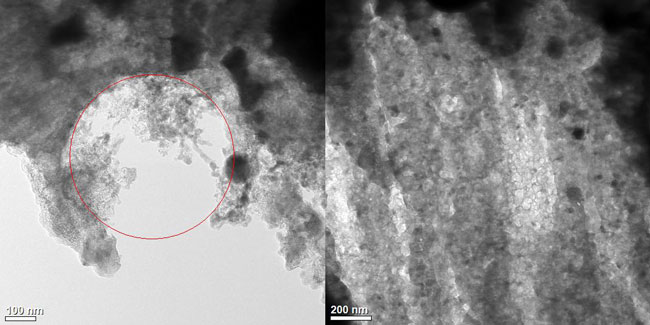
A hole (circled in red, left image) can be drilled in the sample (lithium containing materials) right after the electron beam shines on the sample inside TEM at room temperature, which makes it impossible to study the materials.
On the other hand, once the sample is cooled down to cryogenic temperature, the sample is very stable, and no obvious change is observed after 30 mins (right image).
With our many years of materials expertise and extensive research, Eurofins EAG can identify material problems to help you launch your product faster and more efficiently. Contact us today to learn how we can help.

The roughness of a surface and how it interacts with surrounding materials and elements can have a significant impact on material technology and its functionality.

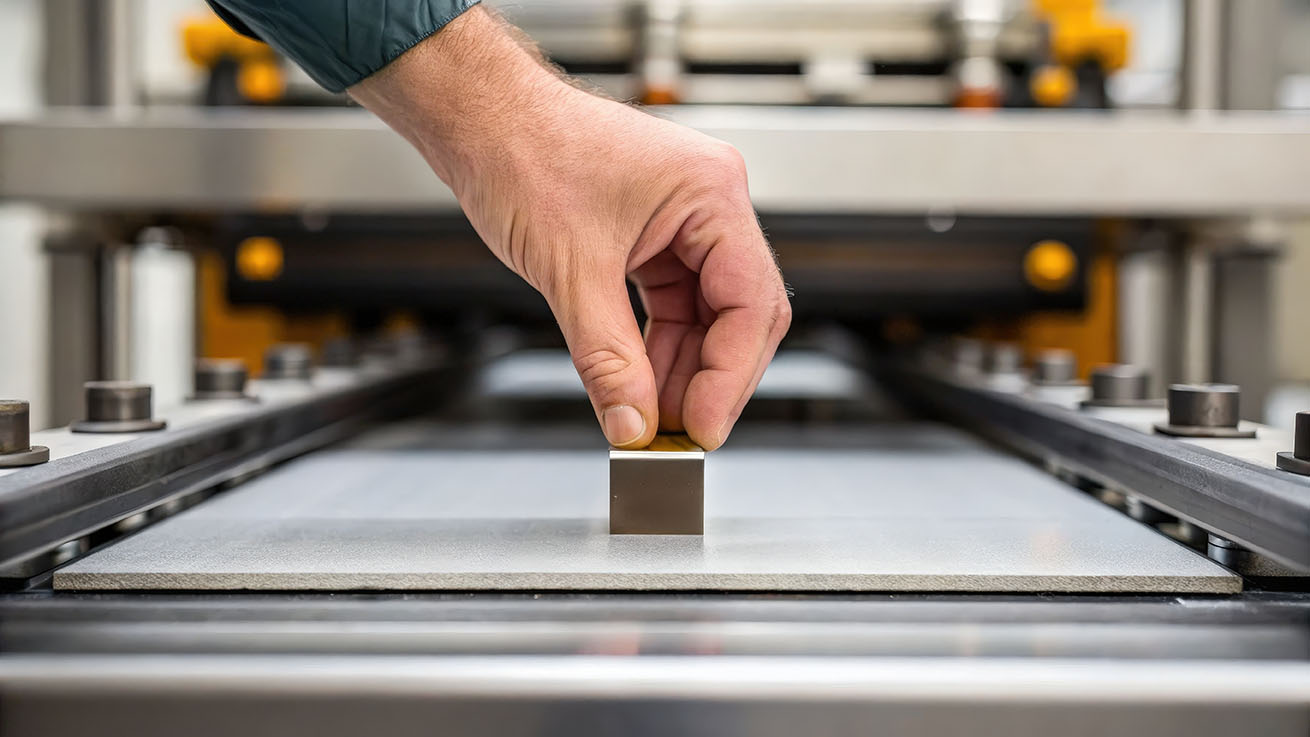
Rare earth magnets power some of today’s most advanced technologies. Part 3 of this series explores how the magnets are produced, challenges of maintaining purity at every step, and why precision analysis is essential for building a reliable supply chain.
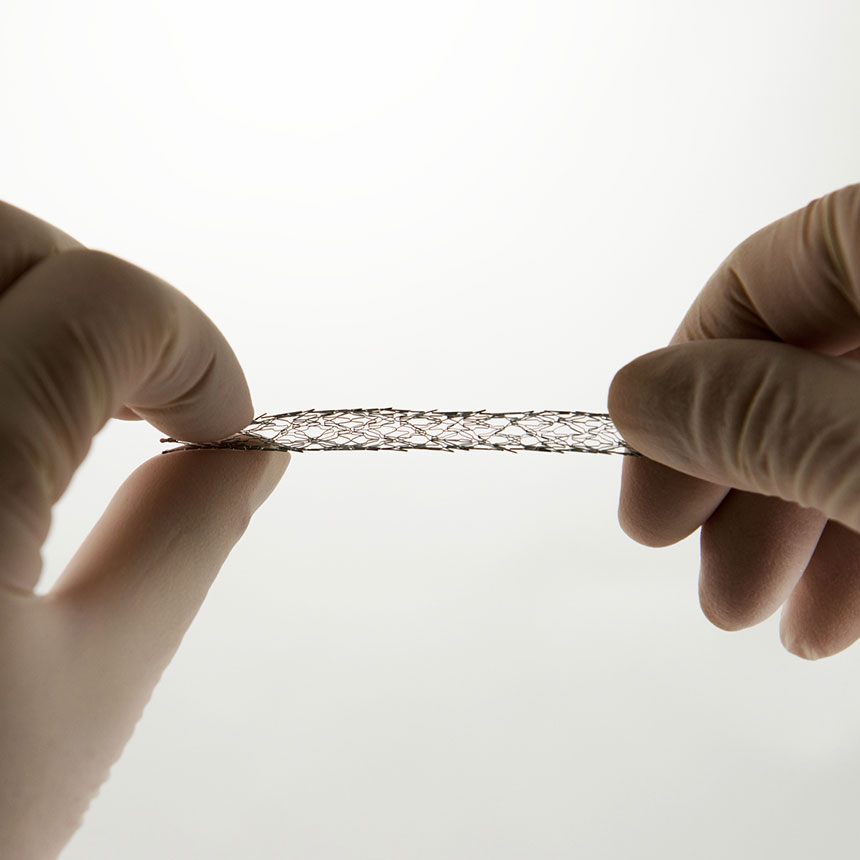
Nitinol is a material that is widely utilized in the medical device industry for implants due to its unique characteristics; however, this nickel-titanium alloy material also poses the risk of exposure to toxic nickel ions.
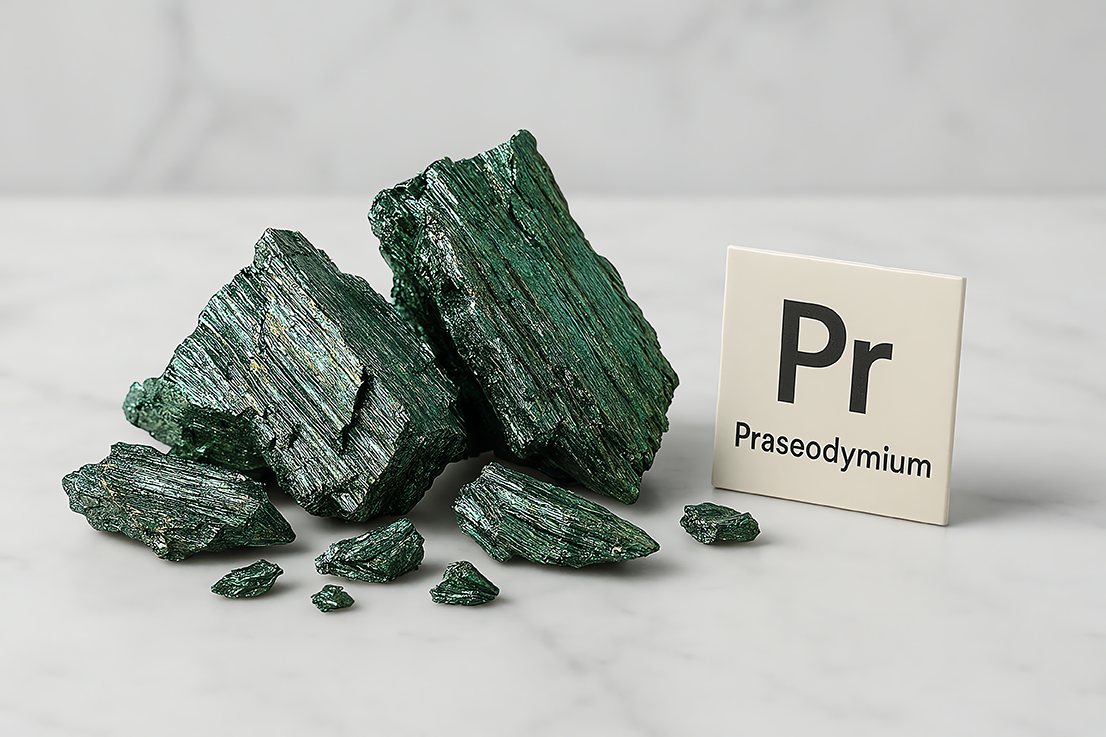
Dive into the supply chain, specifically the refining stage. Learn about how EAG Laboratories specializes in helping clients navigate the demand of REE refining.
To enable certain features and improve your experience with us, this site stores cookies on your computer. Please click Continue to provide your authorization and permanently remove this message.
To find out more, please see our privacy policy.