Polymer Case Study: Curing Issues with Silicone Adhesive

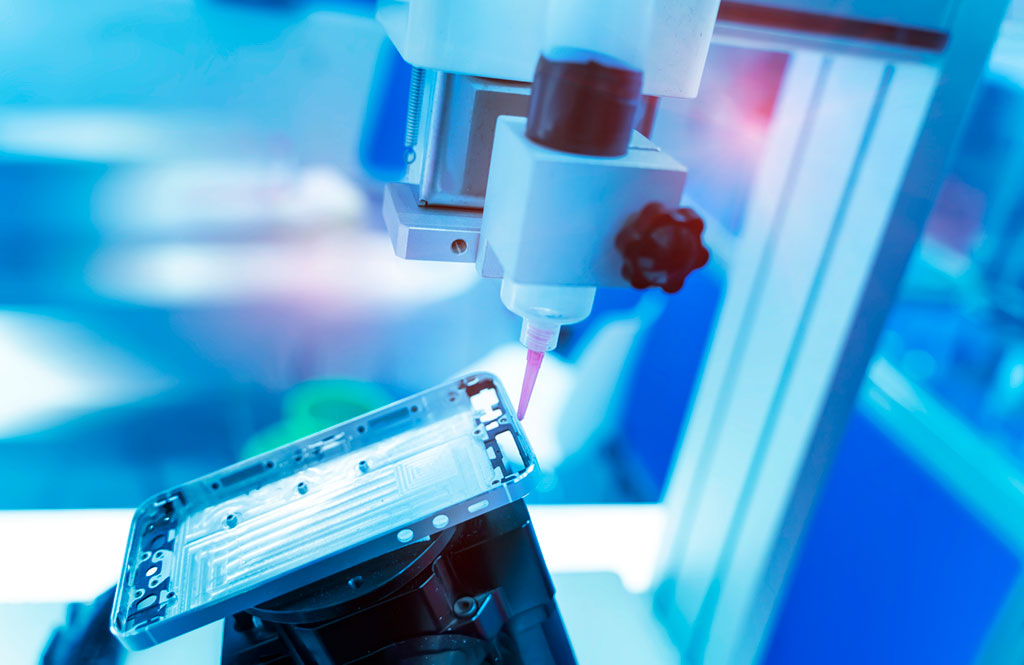
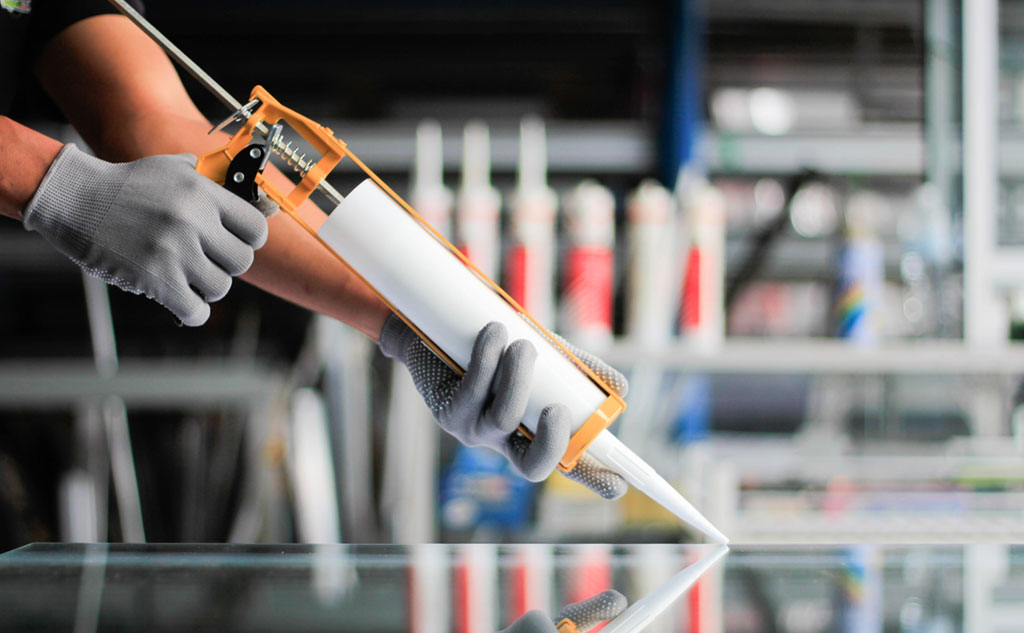
Silicone adhesives provide waterproof, flexible bonding that can withstand chemicals and high temperatures. These adhesives are used in the manufacturing of everything from vehicles and airplanes to electronics and consumer products.

Case Study

A client requested assistance to investigate a recurrent quality issue stemming from failure of a silicone adhesive joint between metal components. An internal investigation uncovered that the cleaning products used in wash and rinse processes of the components had been switched to unapproved formulations; examination of the SDS for these products revealed chemicals known to inhibit cure of silicone adhesives.

Analysis​

A solvent extraction was performed on components that were subjected to the unapproved cleaning process and analyzed by LC-MS, alongside reference specimens of the cleaning products.

Result​

A known incompatible chemical from one of the cleaning products was detected on the components, suggesting that residual chemicals from the unapproved cleaning products were causing inhibition of the silicone adhesive curing process.

Failure Analysis of Polymers ​

For more than 50 years, scientists and engineers at Eurofins EAG have investigated and resolved product failures for clients. Our team of experts identify key failure indicators and follow them to the root cause.

Polymeric Materials Evaluated at EAG​

Failure analysis of plastics, thermosets, and rubber materials is commonly performed on finished products and typically involve comparative analysis between failed and non-failed samples. Once the potential root cause is identified, experiments can be designed and conducted to test the hypothesis and recreate the failure in the laboratory. Eurofins EAG can evaluate a variety of polymer types, including:

  • Raw materials in polymer formulations
  • Adhesives (heat/moisture/UV-cured, silicones, epoxies, acrylates)
  • Coatings (functional or decorative)
  • Thermoplastics, thermosets, thermoplastic elastomers, composites
  • Molded, extruded, cast components


Eurofins EAG Laboratories offers a full suite of analytical techniques to evaluate the identity, composition, morphology, topography, and rheology of polymeric materials and components.

  • Chromatography: GC, GC-MS, HPLC, IC, LC-MS, Pyrolysis GC-MS, HS/TD/SPME GC-MS
  • Inorganic Identification and Quantification: ICP-MS, ICP-OES, SEM-EDS, XRD, XRF
  • Physical Testing: Contact Angle, Mechanical Testing, Rheometry, Viscometry
  • Spectroscopy: Ellipsometry, FTIR, NIR, NMR, Raman, UV-Vis
  • Surface Analysis: Auger, SEM, TOF-SIMS, XPS
  • Surface Metrology: AFM, Nanoindentation, Profilometry
  • Thermal Analysis: DMA, DSC, RGA, TGA, TGA-IR, TGA-MS, TMA

Contact Our Team

Call +1 800-366-3867 or email us.

More content you might like...

jade jewelry

Fingerprinting for Phase Identification

Minerology was one of the earliest fields to benefit from X-ray Diffraction (XRD). Prior to XRD, minerals could only be identified by their external symmetry, shape, and color. XRD transformed mineral identification into an exact science, being perfect for characterizing crystalline materials by their internal structure, not just external appearance.

Read More »

To enable certain features and improve your experience with us, this site stores cookies on your computer. Please click Continue to provide your authorization and permanently remove this message.

To find out more, please see our privacy policy.